

When Getting Dressed Is a Battle: Understanding Sensory Triggers
Clothing challenges are so common for kids with sensory sensitivities, and they can be overwhelming for both kids and caregivers. Tags, seams, tight waistbands, crunchy fabrics, new textures, or the feeling of socks not being “just right” can overwhelm a sensitive nervous system. There are lots of OT strategies that can make getting dressed smoother, calmer, and more successful.
Start With What’s Comfortable
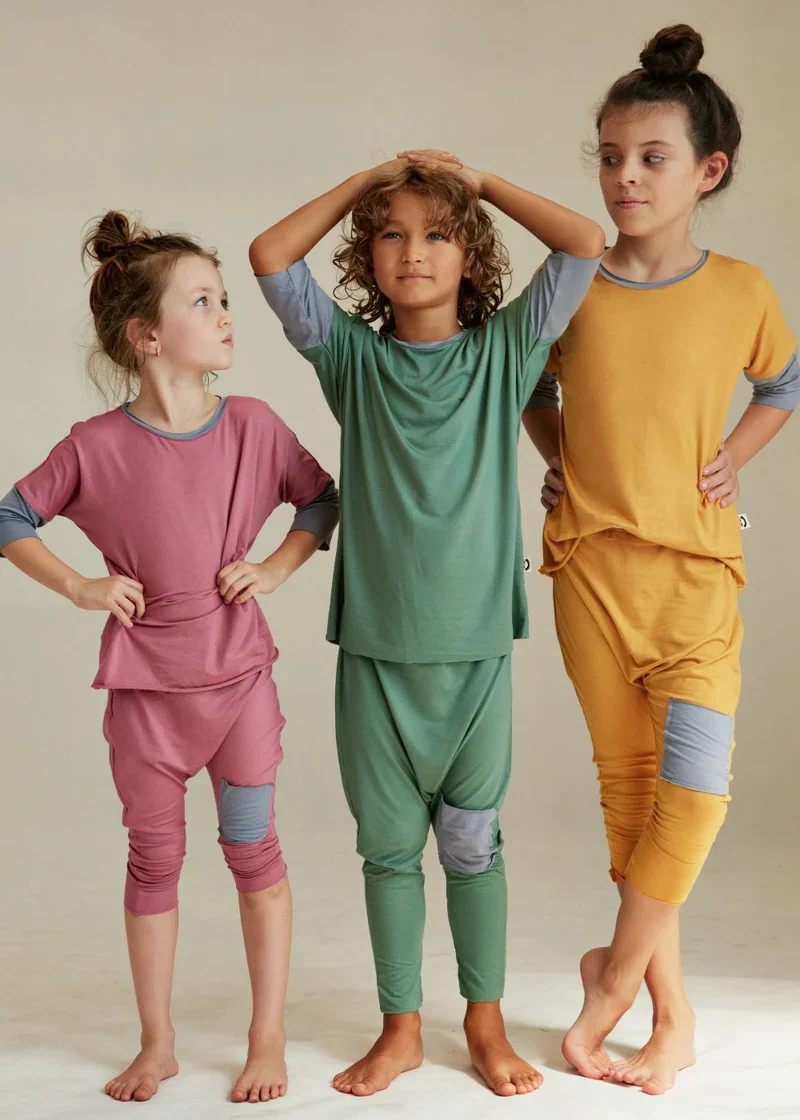
Build a wardrobe around textures and styles your child consistently tolerates.
Soft cotton
Seamless socks
Tagless shirts
Loose waistbands
Athletic wear/stretchy fabrics
It’s okay to buy multiples of the “favorite outfit” if possible. Comfort = regulation.
Modify the Clothing, Not the Child
Small adjustments make a big difference:
Cut tags out
Turn socks inside out (if seams bother them)
Use leggings or athletic shorts instead of jeans
Let them wear bike shorts or a tank under clothing for extra comfort
Add Heavy Work Before Getting Dressed
A few minutes of movement can calm the nervous system and make fabrics feel less intense. Proprioceptive input organizes the brain and reduces tactile sensitivity. Try these:
Wall push-ups
Animal walks
Jumping jacks
Pushing/pulling a laundry basket of clothes
Wheelbarrow walks
Prep Clothes So They Feel Softer
Sometimes new clothes just need help.
Wash new items multiple times
Air dry instead of using high heat
Stretch or crinkle stiff fabrics before wearing
Practice clothing tolerance during “neutral” times
Trying new textures or tricky items right before you have to leave the house can lead to big stress for everyone. Instead, build exposure gradually when everyone is calm.
Try things like:
Wearing socks for 1 minute while dancing to a silly song
Touching a new fabric with just a fingertip before trying it on
Practicing layers (like a sweatshirt or leggings) during relaxed weekend moments
Start Small & Build Tolerance Slowly
If your child can’t tolerate a certain clothing item (jeans, long sleeves, underwear seams), introduce it in tiny, low-pressure steps. Gradual exposure teaches the brain “this is safe.”
Look at it
Touch it with hands
Touch it to arm/legWear for 30 seconds → 1 minute → 5 minutes, etc.
Pair with something fun or regulating.
Offer Choices to Increase Control
Kids do better when they feel a sense of empowerment.
Offer two sensory-friendly options. Giving choices reduces anxiety and resistance.
“Blue joggers or black joggers?”
“Soft long sleeve or short sleeve?”
Keep Mornings Predictable
Build a calm dressing routine with:
Visual schedule
Clothing set out the night before
Sensory break before dressing
A consistent clothing bin just for approved clothes
Always check in with your child’s OT if you have questions.
At Creating Connections OT, we’re here to help your child thrive—emotionally, physically, and socially. If this post resonated with you and you're wondering what the next step looks like, our New Client Page has everything you need. From what to expect in your first session to how we support your child’s unique goals, it’s all just a click away.